
Learn whether a 120–160 t/h asphalt batch plant fits highway projects in Sumatra and Kalimantan. Explore capacity, fuel cost, site conditions, and real project needs.

Many contractors in Sumatra and Kalimantan now face high daily asphalt demand due to growing road expansion and rehabilitation projects. The question comes naturally: Is a 120–160 t/h asphalt batch plant suitable for these island environments and project requirements? In this article, I explain the suitability of this plant size from a real contractor’s perspective. I also share what you should evaluate before investing, so you can choose the right plant and avoid production delays, high fuel cost, or unmatched capacity.

Before deciding on capacity, you need to understand the realities of road construction on both islands. The geography, logistics, and weather shape your production targets. Therefore, we first look at what pushes contractors to choose this capacity range.
Most provincial and national highway works in Sumatra and Kalimantan run at 8–12 hours per day. To meet these schedules, contractors need plants that match daily asphalt demand without causing paving delays. A 120–160 t/h hot mix batching plant fits well because it delivers 960–1920 tons per day, enough for long stretches of asphalt resurfacing or widening.
Material shipments in Sumatra and Kalimantan sometimes face delays due to limited port access or long land transport routes. Because of this, contractors prefer a plant size that stores more aggregates, handles rough materials, and supports smoother workflows. A 120–160 t/h asphalt plant offers a strong balance between fuel efficiency, mixing stability, and storage capacity.
Frequent rain in West Sumatra, Central Kalimantan, and South Kalimantan creates challenges for compaction and temperature control. To maintain stable mix temperatures, contractors need a reliable mixing system with accurate burner control. Since a 120–160 t/h batch plant uses a well-designed drying drum and precise weighing units, the asphalt quality stays consistent even during sudden weather changes.
Now that we know why contractors consider this capacity, the next step is evaluating how well this plant supports actual highway construction needs. The fit becomes clearer when we break it down into production, quality control, mobility, and cost.
Many rehabilitation jobs run in segments of 5–20 km. Each segment requires continuous asphalt delivery to avoid joints, cold spots, or uneven surfaces. Because a 120–160 t/h plant provides a strong and steady supply, your paver will never need to wait. This reduces wasted manpower and keeps your rollers working at the right temperature zone, which directly improves pavement lifespan.
Indonesia’s Bina Marga standards require strict temperature, mix uniformity, and binder accuracy. A batch asphalt plant in this range helps you achieve these standards because it uses accurate weighing systems and modular controls. You can adjust the recipe quickly if the job requires AC-BC, AC-WC, SMA, or other special grades. As a result, contractors gain flexibility when switching between project types.
Many sites in Kalimantan and Sumatra have limited flat land. However, a 120–160 t/h asphalt plant mobile or stationary only needs moderate space compared to larger 200–320 t/h models. You can install it near quarries or near paving zones with fewer earthworks. This reduces setup time and shortens logistic routes for aggregates and finished asphalt.
Because fuel prices fluctuate across Indonesia, especially on remote islands, contractors want a plant that burns efficiently. A 120–160 t/h plant’s drum, burner, and dust collector are optimized for this exact output range. As a result, you spend less on fuel than oversized plants, while still meeting production targets. Maintenance is also simpler because spare parts, motors, and baghouse components are widely available and easy to replace.

Even though this size fits most highway projects, it is wise to evaluate a few practical factors first. This ensures you select a configuration that truly matches your project conditions. Each factor influences performance, cost, and long-term reliability.
Start by calculating your daily tonnage. If your team expects 600–1200 tons per day most of the time, this plant size fits well. If your demand can exceed 2000 tons on peak days, consider increasing capacity to 180–240 t/h.
Long transport distances to remote Kalimantan areas may cause temperature drops. If your hauling distance exceeds 25–30 km, choose optional insulated silos and stronger burner control. These features help maintain the right temperature until paving.
High rainfall increases aggregate moisture, which raises fuel consumption during drying. To manage this, you may need:
These upgrades make your plant more efficient in tropical climates.
Some Kalimantan sites lack stable electricity. If so, consider:
This ensures the plant operates smoothly even in remote areas.
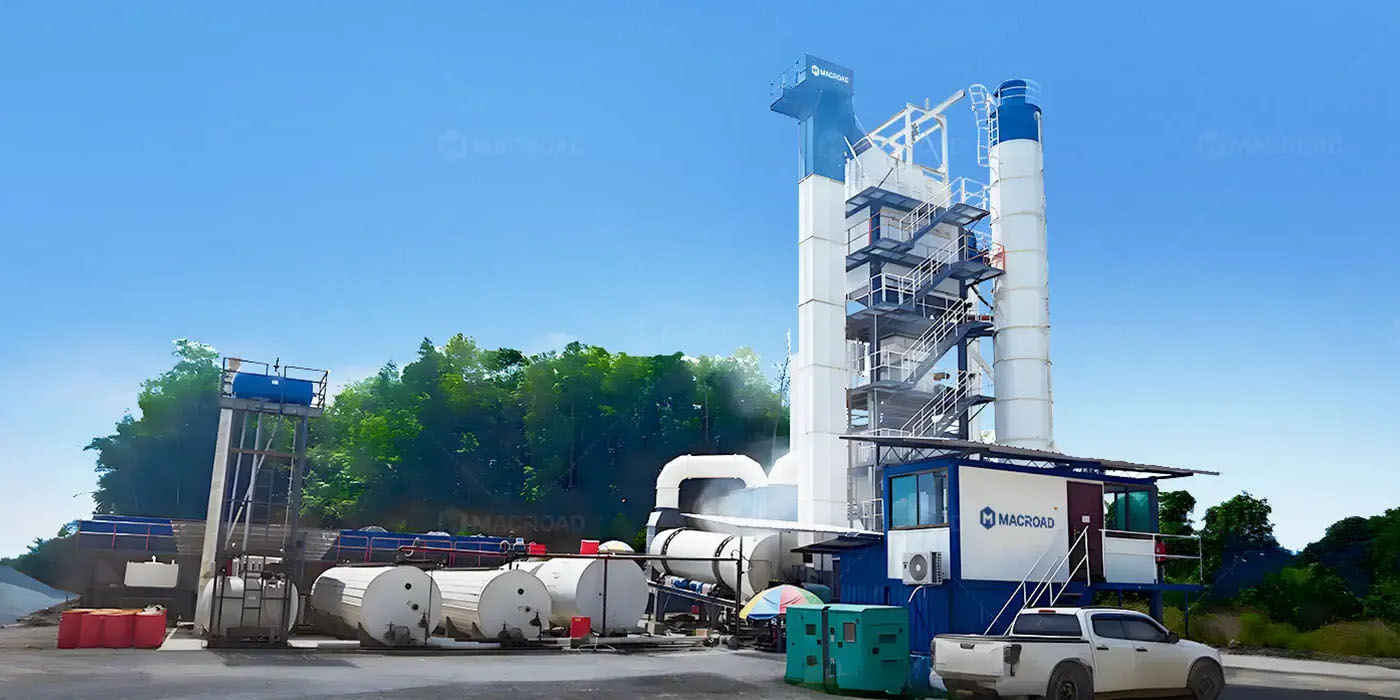
After comparing performance, cost, logistics, and installation needs, many contractors find that this capacity range offers the best balance. It is large enough to support big highway jobs, yet small enough to install quickly and operate efficiently. Because of this, you get higher productivity without overspending on equipment size or fuel.
Whether your project is in Sumatra’s busy corridors or Kalimantan’s developing industrial zones, a 120–160 t/h plant delivers steady performance and strong cost efficiency.
If you plan to build your plant in Sumatra or Kalimantan, you need a supplier who understands rain conditions, transport issues, installation timelines, and local standards. AIMIX Indonesia provides complete support, including site planning, delivery coordination, installation, and after-sales services. We maintain local engineers and spare parts stock, so your project never stops due to downtime.

If you want expert recommendations based on your daily tonnage, road length, hauling distance, and fuel budget, we can help you evaluate all options. Our team in Indonesia has supported many contractors across Pekanbaru, Palembang, Banjarmasin, Samarinda, Balikpapan, and other regions.
Tell us your project details today, and we will help you select the most suitable asphalt plant for your highway works in Sumatra or Kalimantan.